
what it is
Taxonomy
Describing and naming what is found, and correcting what was named wrongly.
For Science, Society, and Policy in the Himalaya
Funga Network is a registered non-profit connecting the scientists who study fungi — their taxonomy, their ecology, and the communities whose livelihoods depend on them. Members publish under their own names, and every paper is read by a named reviewer.
Registered non-profitPokhara, NepalFounded 2026
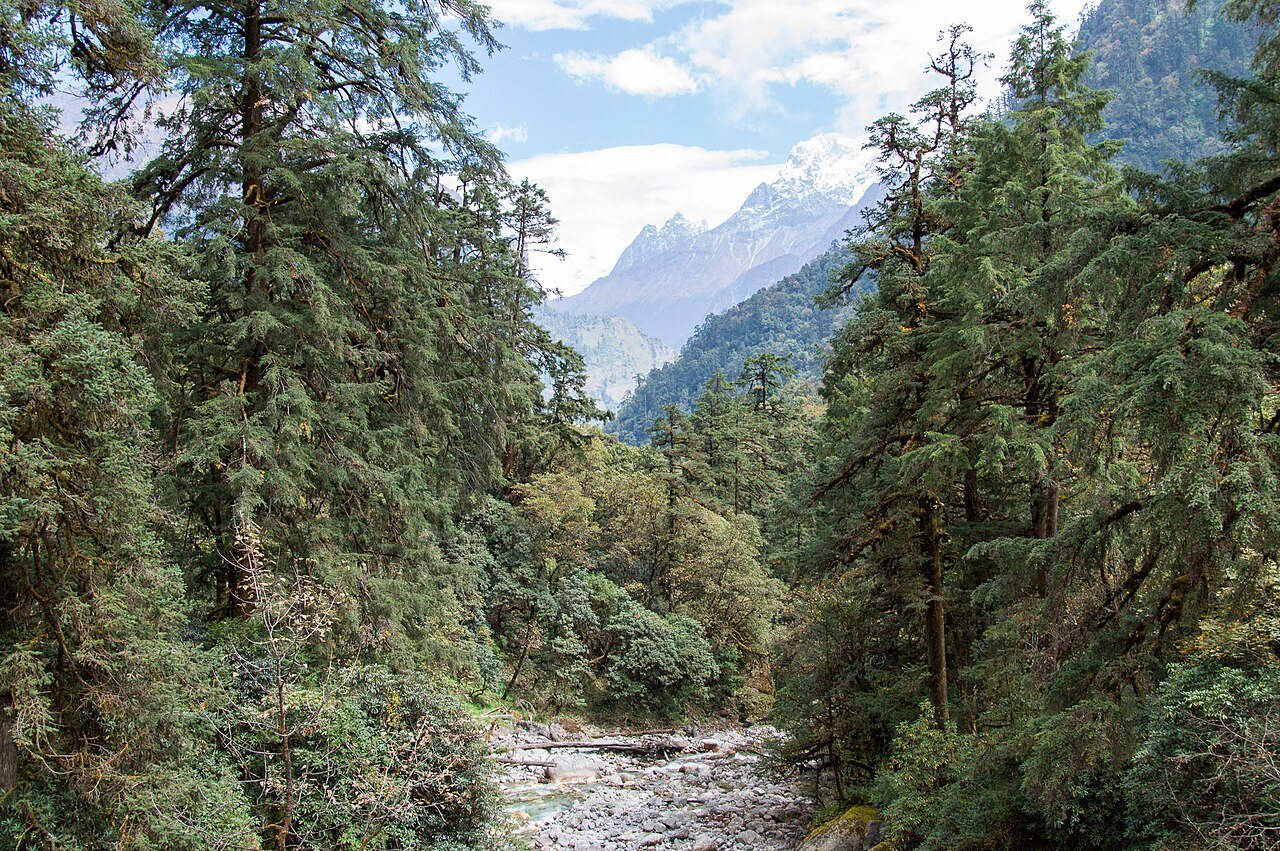
Annapurna Circuit, Nepal
Why this matters
Fungi hold these forests together, feed the villages beneath them, and almost none of it has been surveyed, named or written down.
Our work
A market survey becomes a taxonomy question, and a taxonomy question becomes a conservation one. We treat them as one body of work rather than separate programmes.
what it is
Describing and naming what is found, and correcting what was named wrongly.
what it does
How fungi hold a habitat together, and what happens when they go.
what it means
What communities already know, use and name — recorded properly, with credit.
what is at risk
What is disappearing, where, and what could be done about it.
what it yields
Growing, yield, and the livelihoods that depend on both.
what it is related to
Sequence, lineage and relatedness, where the work and the funding allow.
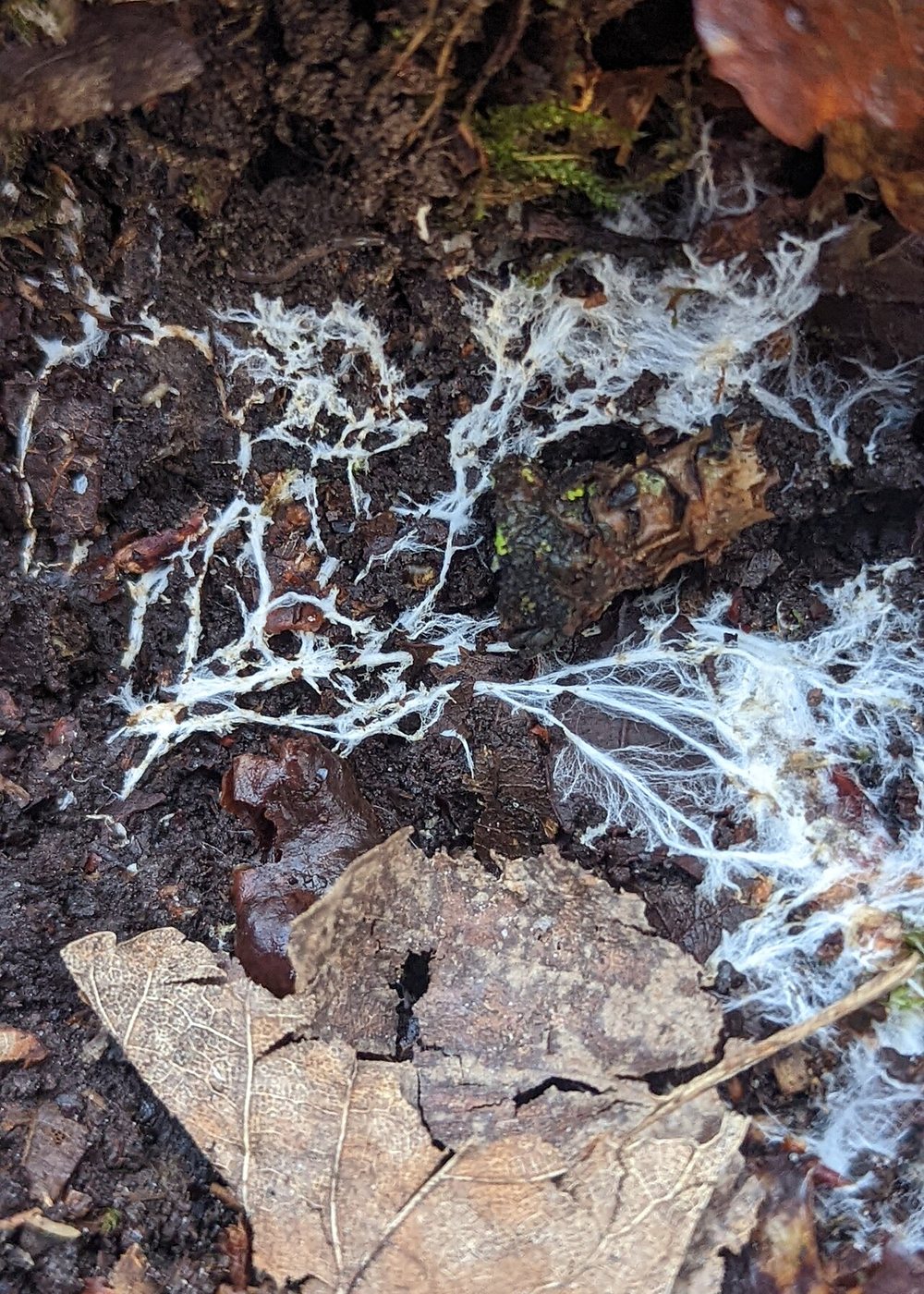
Mycelium in leaf litter — FungiFriendly, CC BY-SA 4.0
Research
The Network is being built so that its record can be trusted. That means a small number of rules we do not intend to bend.
Every paper carries the people who did the work.
No anonymous review.The reviewer is published beside the author and is accountable for the reading.
No article behind a payment.Research about a country's own fungi should be readable in that country.
Statements about species carry their source.Particularly anything about edibility or toxicity, where being wrong is dangerous.
No publications yet.The Network was founded in 2026 and the first submissions are being prepared.
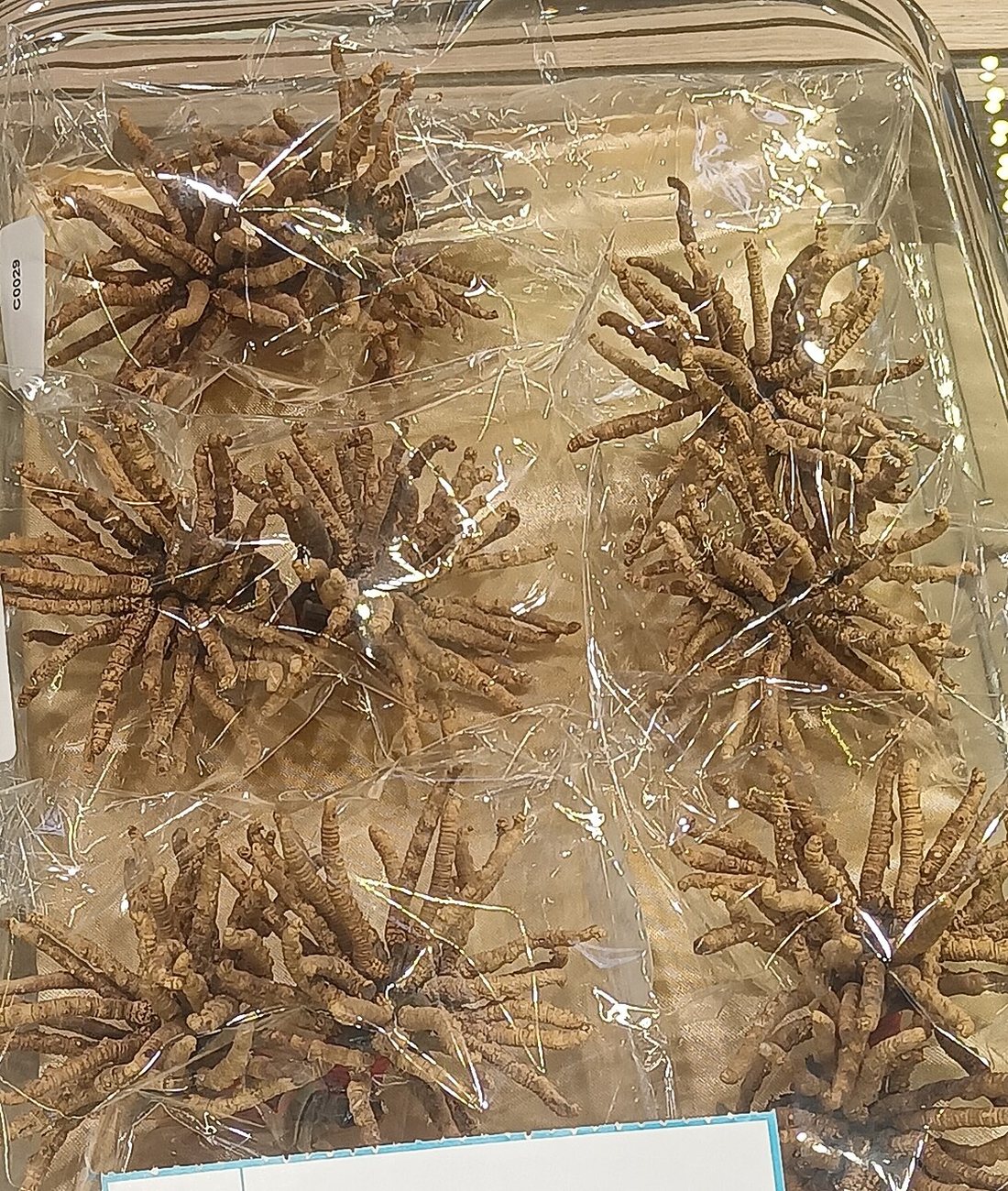
Ophiocordyceps sinensis
In the field
Ophiocordyceps sinensis is one of the most valuable biological products in the Himalaya, and one of the least documented. Tens of thousands of people climb for it each season.
Yield, tenure and decline are all contested, and almost none of it is published. Without a record, the argument is settled by whoever speaks loudest rather than by what is actually happening on the mountain.
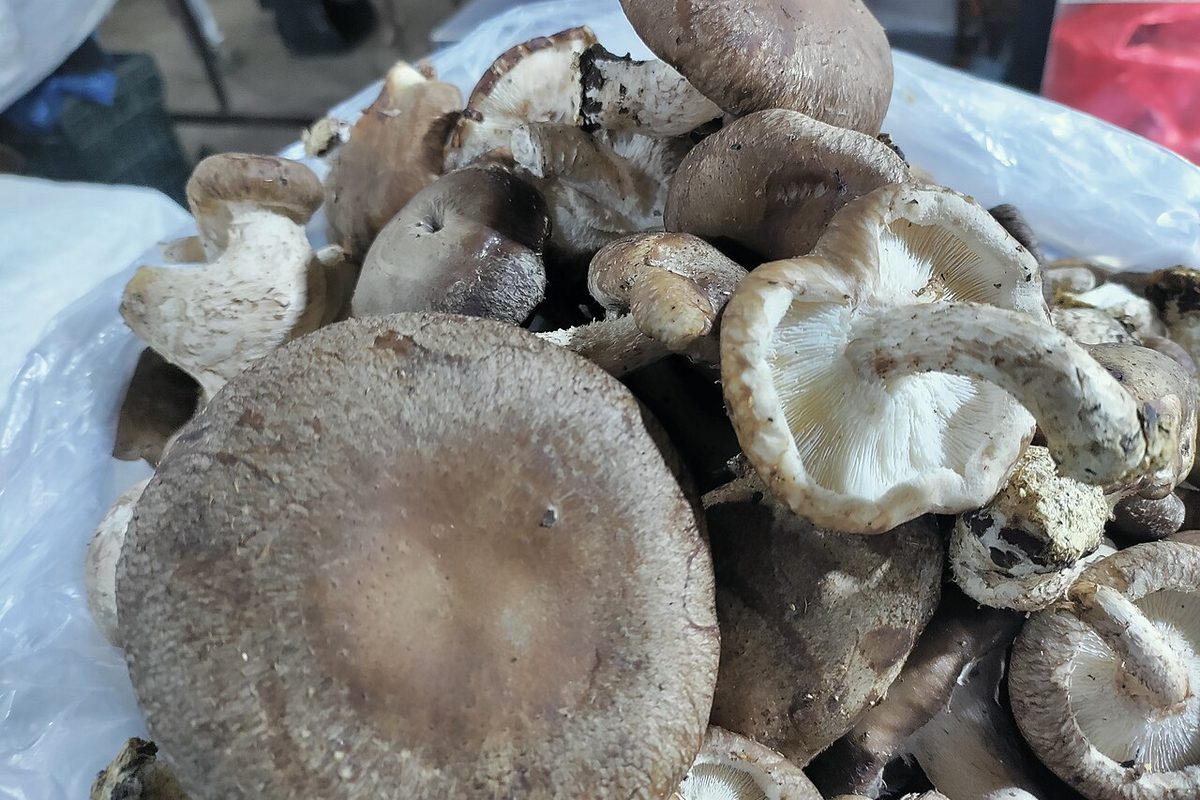
Cultivated shiitake, Nepal
In the field
Cultivated mushrooms are a growing income for farming households, and one of the few that does not need land the family does not have.
What grows well, at what altitude, and at what cost is knowledge held locally and rarely written down. Recording it is unglamorous work, and it is worth more to a farmer than any paper we could publish abroad.
Members
A network is only what its members make it. If you study fungi — in a university, a forest department, or on your own time in your own valley — there is a place for you here, and work waiting that nobody else is doing.
Write to us, or message the chair directly. Applications are read by the board, and a name appears on this site only once that person has agreed to it.
About
A young organisation is judged on what it is willing to state plainly. This is everything there is so far.
A registered non-profit.Reg. No. 403353/83/84. Registration and tax documents will be published on this page.
Dr. Shiva DevkotaMycologist, working on Himalayan fungi, Cordyceps, and the communities that harvest them.
Being formed.
Research funding goes to research.Grants are held and spent by the Network itself.
Pokhara-5, Kaski, Gandaki Province, Nepal