
About
Funga Network
Funga Network is an independent, not-for-profit research and knowledge-sharing organisation based in Pokhara, Nepal — a lakeside city beneath the Annapurna Himalaya.
Registered non-profitPokhara, NepalFounded 2026
Why Funga
Why FUNGA?
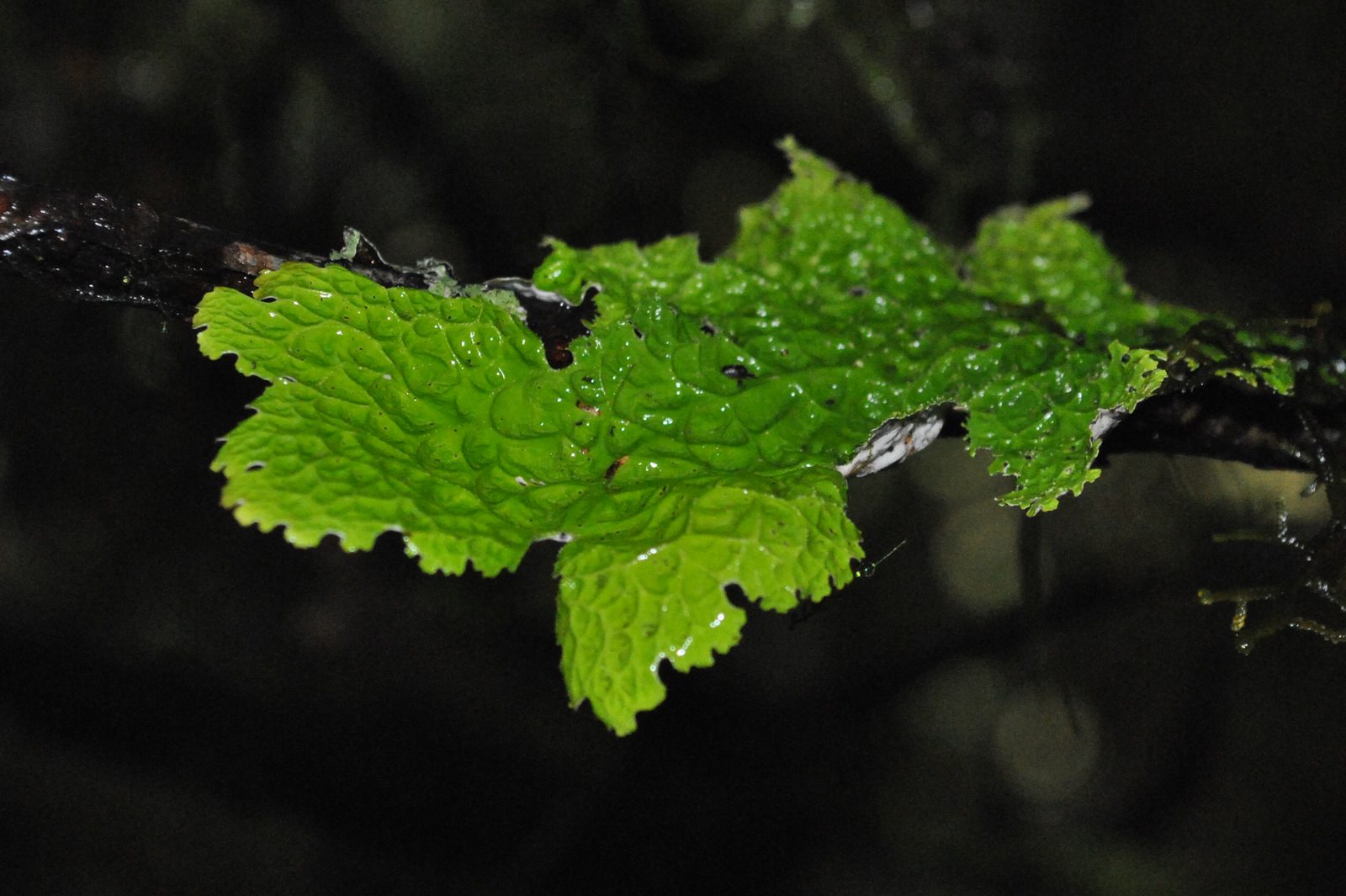
The term funga refers to the fungal diversity of a region, as flora does for plants and fauna for animals. We chose the name to recognise fungi as a distinct and essential component of biodiversity, and to advance their visibility in research, conservation, policy and society. It reflects our commitment to advancing fungal research, recognising the relationships between fungi and people, and promoting the conservation and sustainable use of fungal resources across the Himalaya.
What we do
An overlooked kingdom, taken seriously
We advance the study, documentation and sustainable use of fungi — an overlooked kingdom vital to ecosystems, food security and rural livelihoods across Nepal and the wider Himalaya — with a focus on wild mushrooms, caterpillar fungus and lichens.
Working at the intersection of science, Indigenous and local knowledge, and policy, we collaborate with local communities, universities and research institutions, government agencies, and national and international partners to generate credible evidence and translate it into action: reducing mushroom-related risks, supporting the conservation of fungal diversity, and championing emerging opportunities in mycotourism and fungi-based enterprises that link conservation with community livelihoods and contribute to the Sustainable Development Goals (SDGs).
A world in which fungal diversity is understood, valued, safely used and sustainably conserved for the well-being of people and ecosystems.
To advance the science, safe and sustainable use, and conservation of fungi in Nepal and the Himalaya through research, documentation, education, community engagement and science-informed policy.
Objectives
Five objectives
- Document and map fungal diversity across Nepal and the Himalaya, and make the data openly accessible through digital records, databases and citizen science.
- Document and safeguard Indigenous and local knowledge (ILK) of fungi, with respect for community rights and fair and equitable benefit-sharing.
- Reduce mushroom poisoning through research, training and public awareness of safe identification and use.
- Promote the sustainable use of fungal resources and nature-based livelihoods, including cultivation, value addition and mycotourism.
- Strengthen fungal evidence for science and policy, contribute to national, regional and global biodiversity assessments, and support the Kunming–Montreal Global Biodiversity Framework and the Sustainable Development Goals (SDGs).
Governance
How the Network is governed
Funga Network is governed by a Board of five directors, appointed by the Annual General Meeting for three-year terms. No profits, dividends or bonuses are distributed to members or staff; any surplus is used only to grow the organisation's capital or to achieve its objectives.
The Board oversees the policies that guide the Network's operations:
- Financial and Administrative Management Policy
- Anti-Money Laundering and Counter-Terrorist Financing Policy
- Gender Equality and Social Inclusion (GESI) Policy
On the record
Who we are, on the record
A young organisation is judged on what it is willing to state plainly.
A registered non-profit.Reg. No. 403353/83/84. Registration and tax documents will be published on this page.
Five co-founders.Appointed by the Annual General Meeting for three-year terms.
Dr. Shiva DevkotaFounder and Director. Mycologist, working on Himalayan fungi, Cordyceps, and the communities that harvest them.
Research funding goes to research.Grants are held and spent by the Network itself.
Pokhara-5, Kaski, Gandaki Province, Nepal