
Research
Seven research themes
What the Network works on, in its own words. Each theme will list the publications of the members working in it as they are added.
1. Fungal Diversity and Taxonomy2. Fungi and Environmental Change3. Mushroom Safety and Poisoning Prevention4. Fungal Enterprise and Mycotourism5. Digital Mycology and Citizen Science6. Fungi, People and Culture7. Fungal Conservation and Policy
Theme 1
Fungal Diversity and Taxonomy
Finding, naming and recording the fungi of Nepal and the Himalaya — from field observation to DNA.
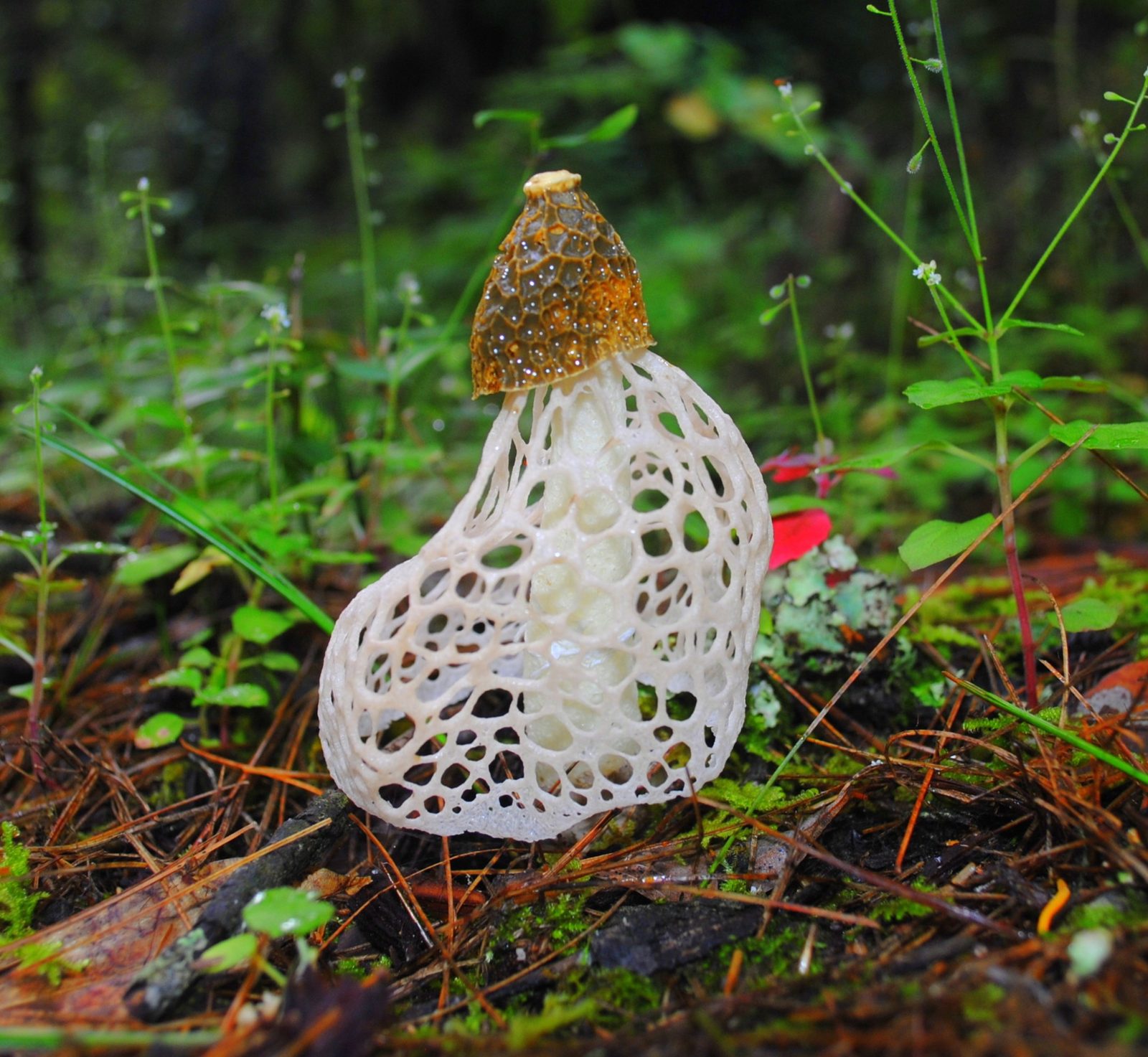
We survey, identify, classify and document fungi and their interactions with insects, plants and other organisms across Nepal and the Himalaya. Our approaches combine underground fungal mapping, field observation, classical morphological and microscopic methods, DNA barcoding, Illumina-based metabarcoding and genomic sequencing.
Being compiled.Publications by the members working in this theme will be listed here, each under its authors' names.
Theme 2
Fungi and Environmental Change
What climate change, pollution and habitat loss do to fungi — and the evidence to act on it.
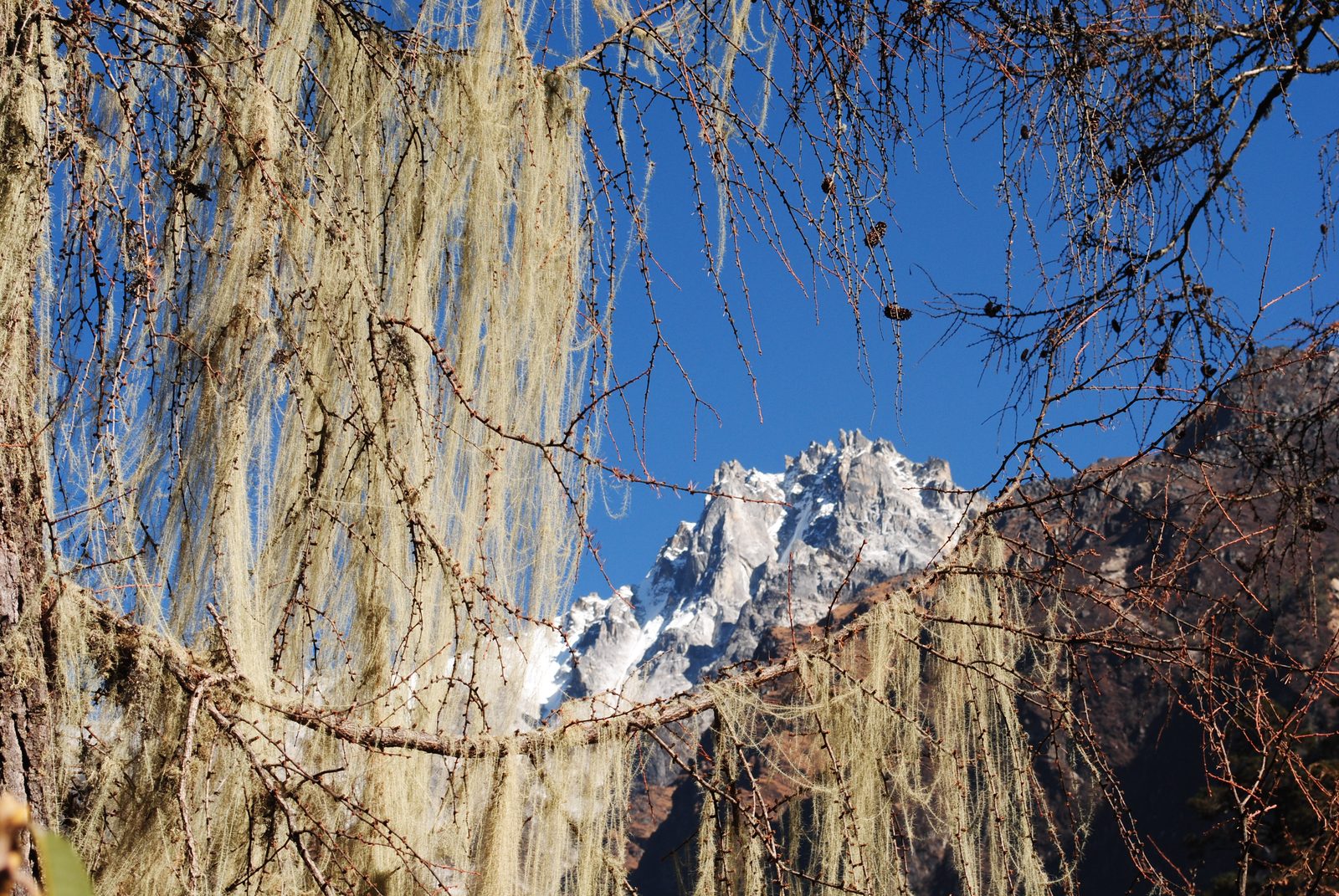
We investigate the effects of climate change, biodiversity loss, pollution and other environmental changes on fungi, and develop research, education and evidence to support adaptation, mitigation and sustainable environmental management.
Being compiled.Publications by the members working in this theme will be listed here, each under its authors' names.
Theme 3
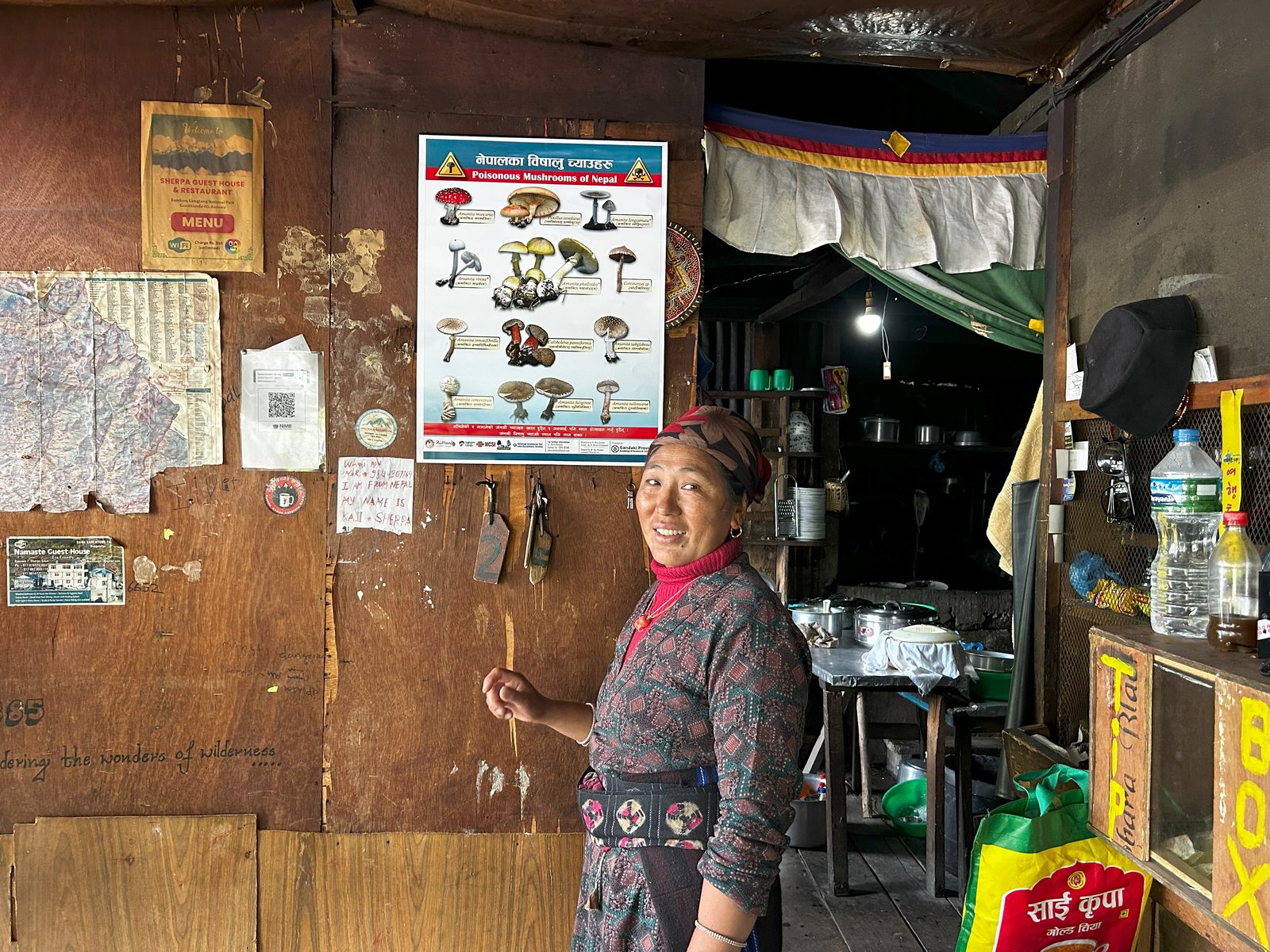
Mushroom Safety and Poisoning Prevention
Fewer poisonings: research, training and public awareness on which mushrooms are safe to eat.
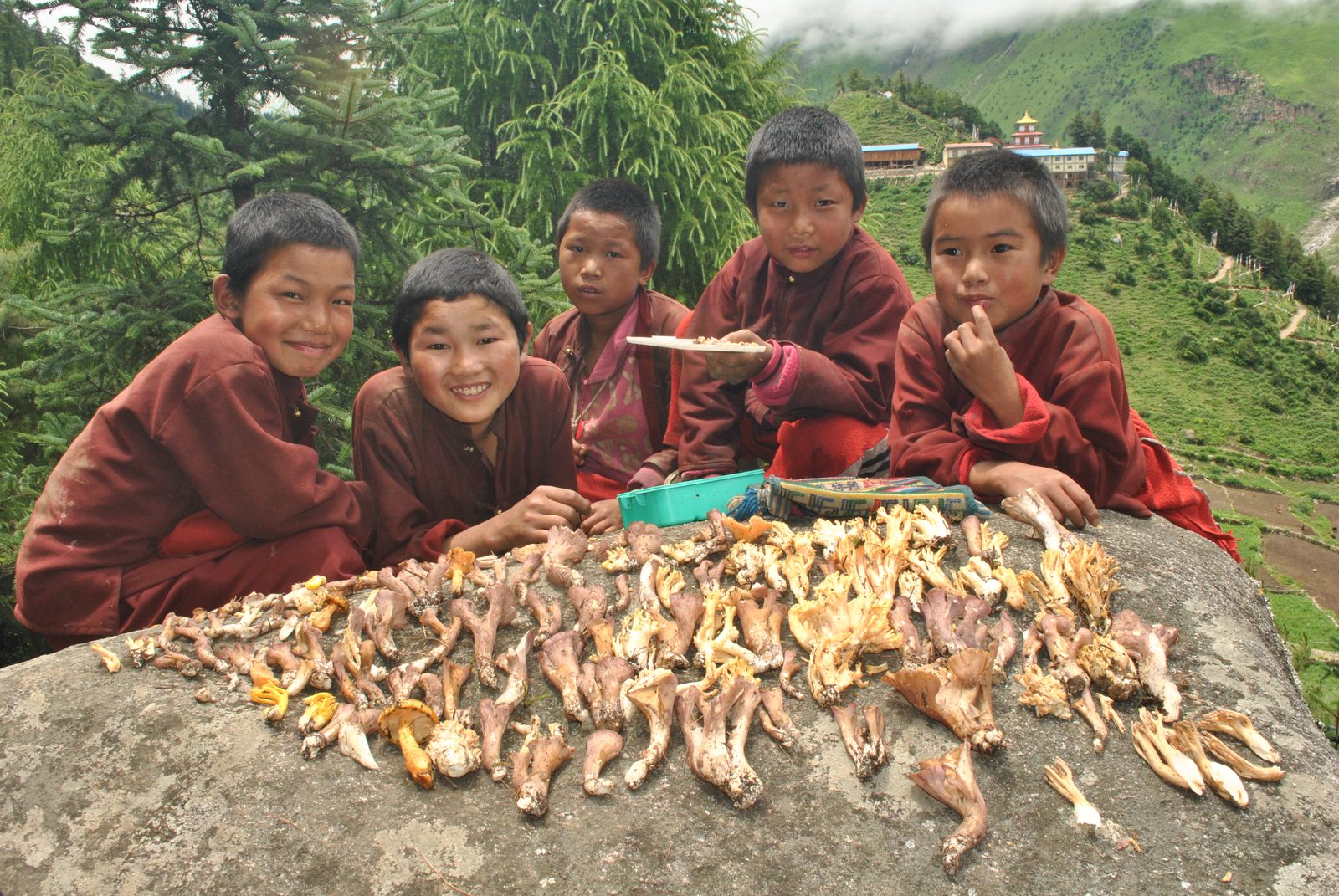
We conduct research, training and public-awareness activities on mushroom identification, food and medicinal uses, and the risks associated with poisonous fungi. This includes pharmacological and toxicological studies of fungi, and our aim is to reduce mushroom poisoning and promote safer, evidence-based use of fungal resources.
Being compiled.Publications by the members working in this theme will be listed here, each under its authors' names.
Theme 4
Fungal Enterprise and Mycotourism
Cultivation, value addition and mycotourism — fungi as a livelihood that does not cost the forest.
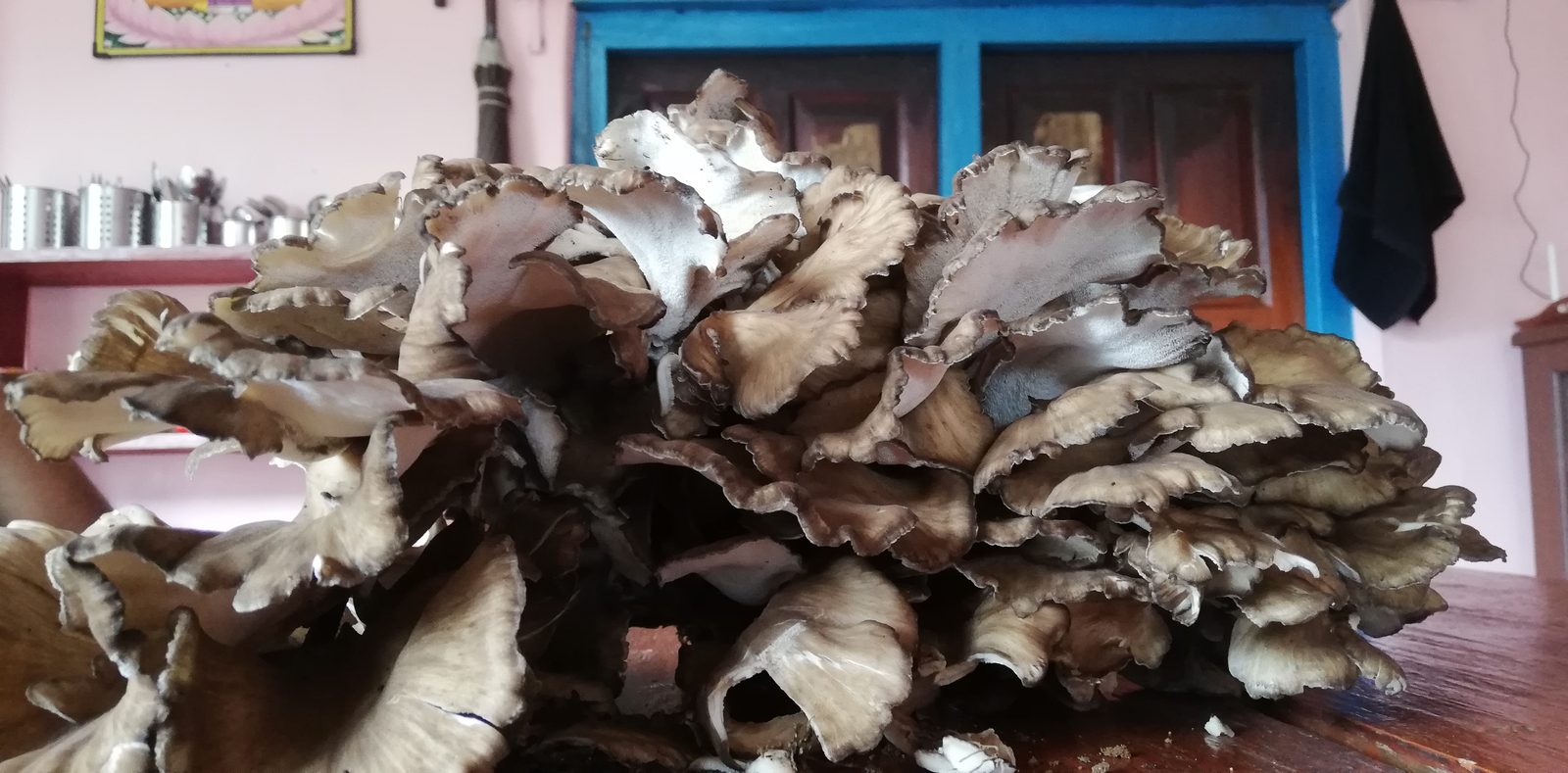
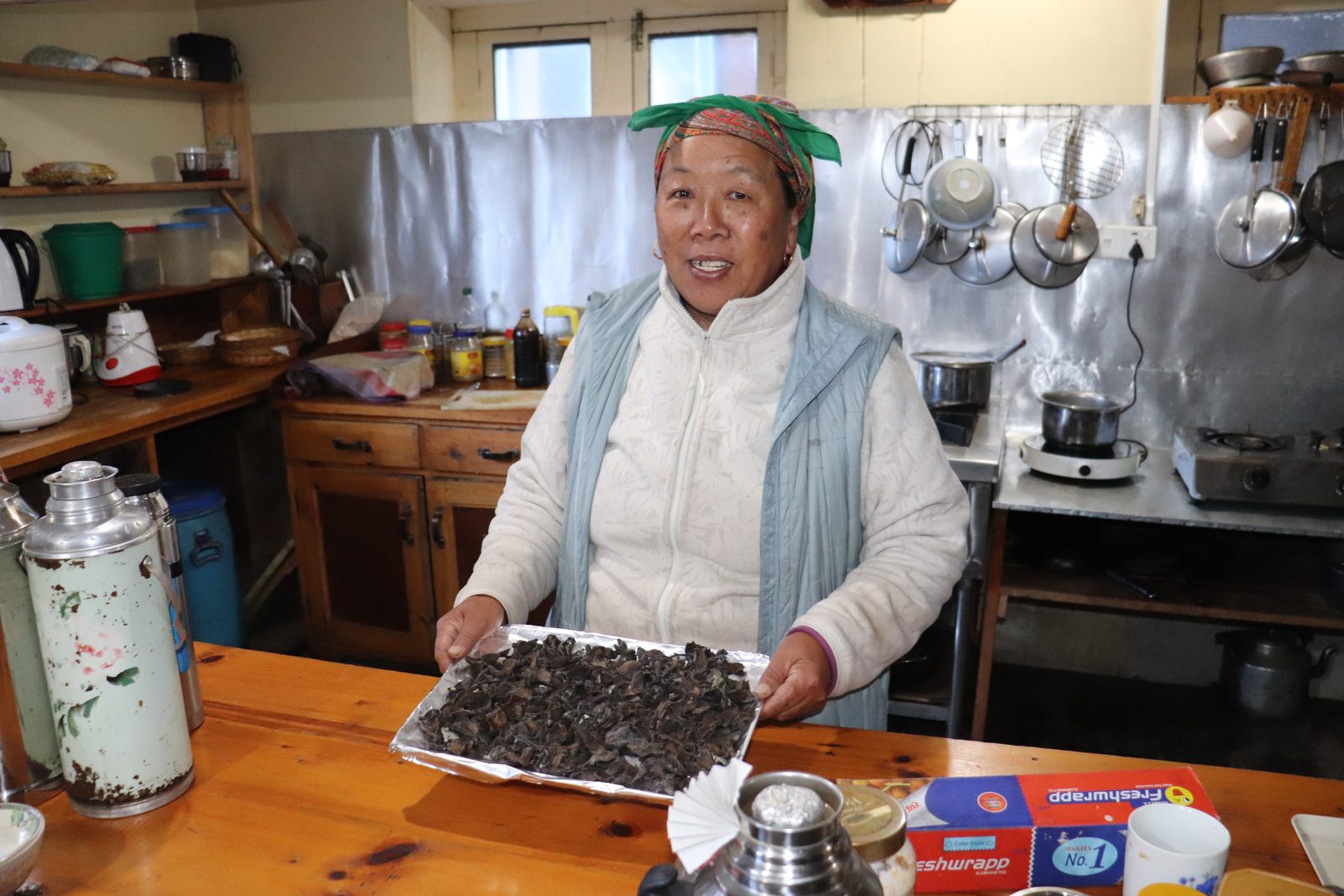
We advance the domestication and cultivation of wild and useful mushrooms through research on production technologies, value addition, enterprise development and market systems, to strengthen food security and local livelihoods. We also support sustainable, evidence-based wild harvesting and trade of fungal resources, including caterpillar fungus, and develop non-extractive uses such as mycotourism and other fungi-based enterprises that link conservation with community livelihoods.
Being compiled.Publications by the members working in this theme will be listed here, each under its authors' names.
Theme 5
Digital Mycology and Citizen Science
Open fungal records, citizen science, and the maps and models that make the data useful.
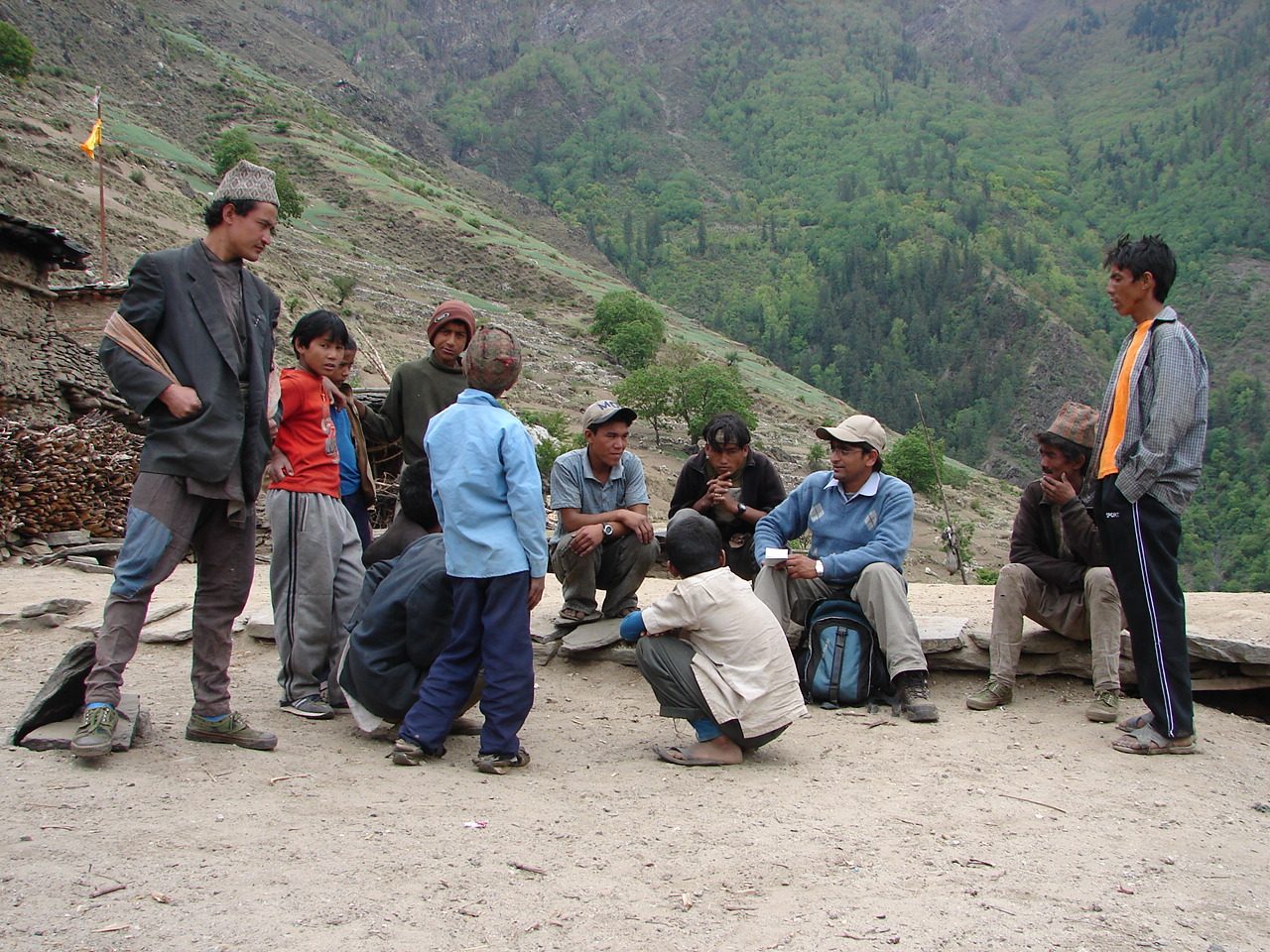
We build and manage digital fungal records, databases, collections and citizen-science initiatives, and use GIS, modelling and machine learning to improve access to fungal data, species identification and conservation planning. We also produce photographs, videos, interviews and educational materials that document fungal diversity, traditional knowledge and field experiences.
Being compiled.Publications by the members working in this theme will be listed here, each under its authors' names.
Theme 6
Fungi, People and Culture
How people use, trade and know wild mushrooms, caterpillar fungus and lichens — and what that knowledge is worth.
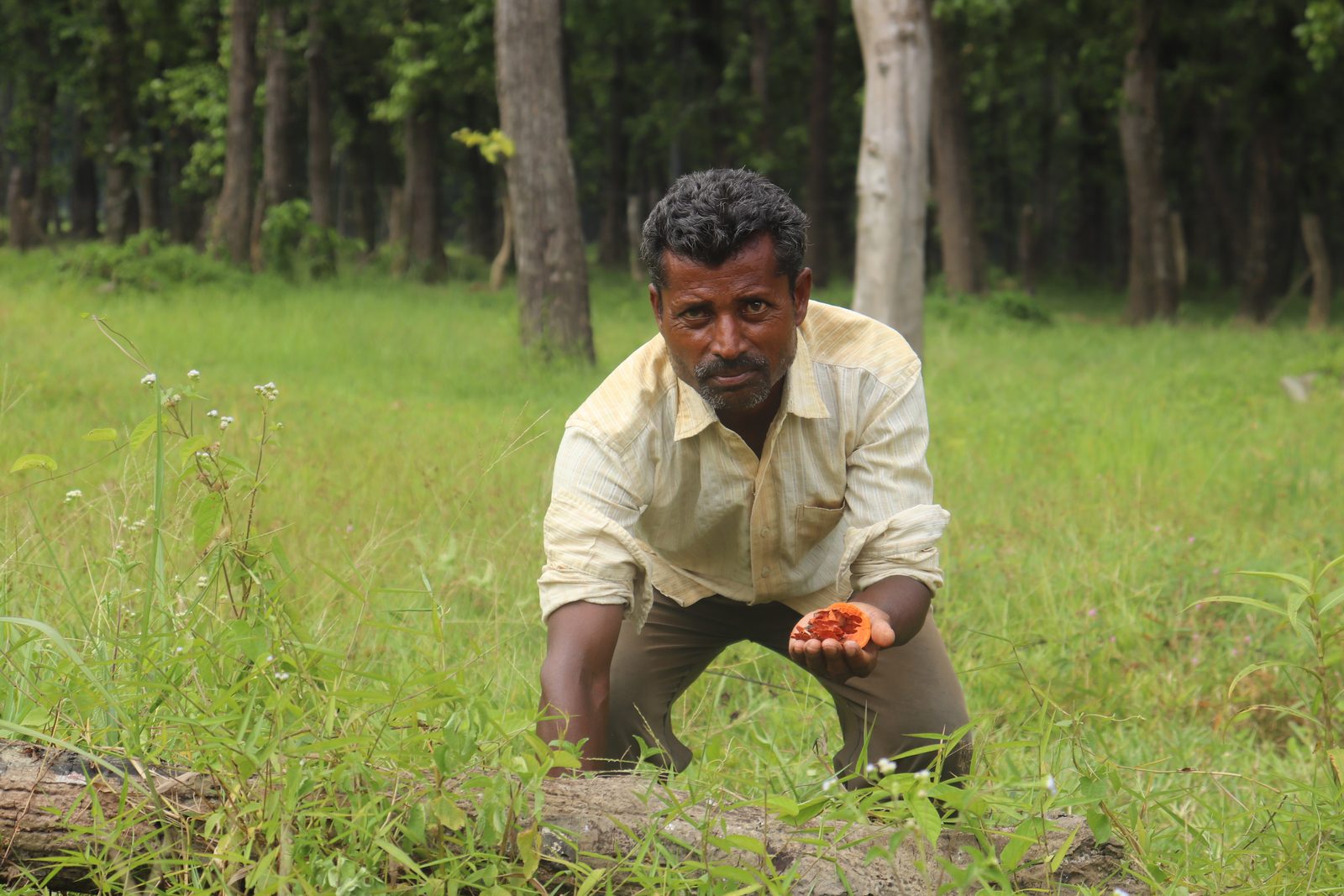
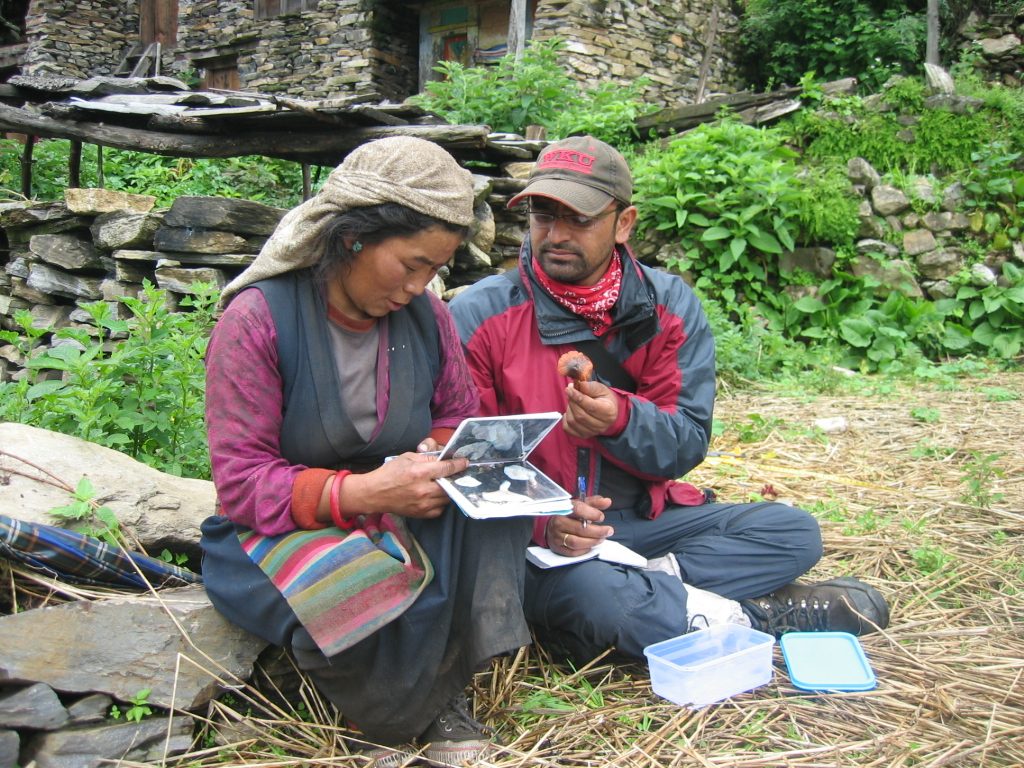
We study the cultural, social, anthropological and economic significance, sustainable use and trade of wild mushrooms, caterpillar fungus, lichens and other fungal resources, including their role in food security, while documenting local and traditional knowledge and exploring nature-based solutions.
Being compiled.Publications by the members working in this theme will be listed here, each under its authors' names.
Theme 7
Fungal Conservation and Policy
Science and local knowledge informing conservation, the Red List, and policy under the Convention on Biological Diversity.
We integrate scientific and Indigenous and local knowledge (ILK) to inform fungal conservation and sustainable use. We contribute expertise to IPBES assessments, the IUCN Red List of threatened fungi, and other global scientific assessments, including opportunities with the IPCC and similar bodies. We support policy development under the Convention on Biological Diversity (CBD), including access and benefit-sharing under the Nagoya Protocol, and promote science-policy dialogues that connect research, decision-makers and practitioners, contributing to relevant Sustainable Development Goals (SDGs).
Being compiled.Publications by the members working in this theme will be listed here, each under its authors' names.
Members
Work in one of these?
Tell us what you work on. Applications are read by the board, and a name appears on this site only once that person has agreed to it.