Funga Network — For Science, Society and Policy in the HimalayaContact us

The Network

Team

Fellows, researchers, research assistants, interns, volunteers and Funga Ambassadors. Nobody is listed here who has not agreed to it.

Fellows

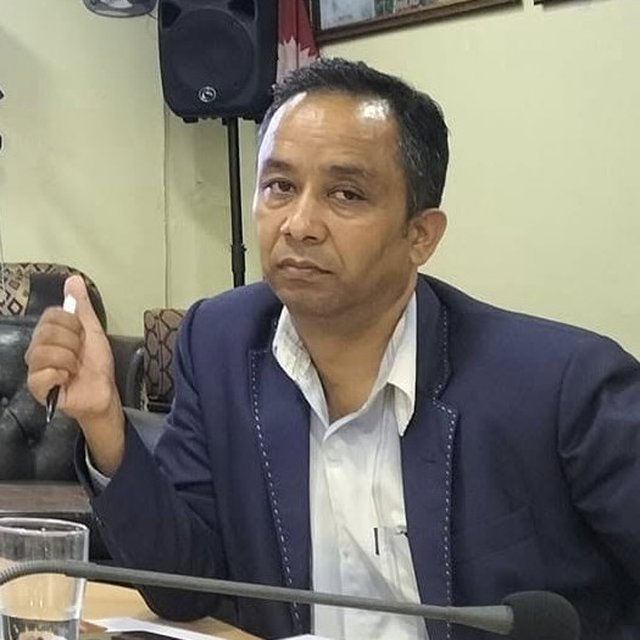
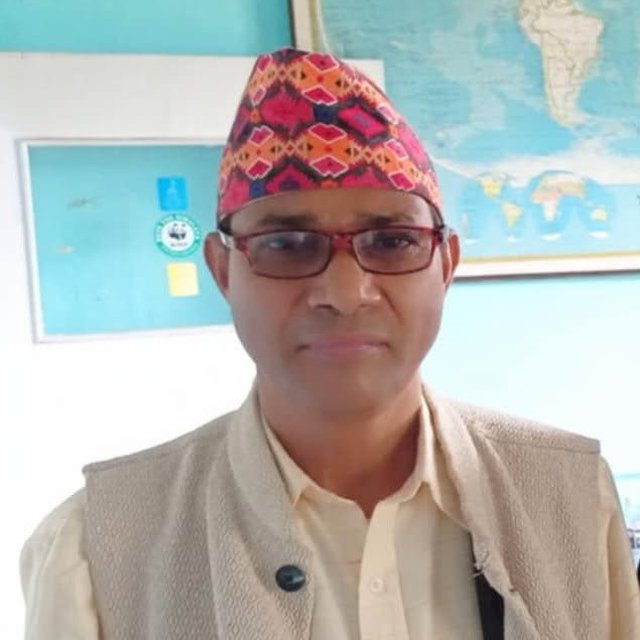
Dr. Shiva Devkota

Dr. Shiva Devkota

Founder and Director

Mycologist — wild mushrooms, lichens and caterpillar fungus across the Himalaya.

Read more

Dr. Shiva Devkota is a mycologist and the Founder and Director of Funga Network. With more than 20 years of experience across the Himalayas, he specializes in wild mushrooms, lichens, and caterpillar fungus, integrating ecological, social, and economic perspectives to advance biodiversity conservation and sustainable resource use.

He holds a Ph.D. in Ecology and Evolution from the University of Bern and the Swiss Federal Institute for Forest, Snow and Landscape Research (WSL), Switzerland, along with an M.Sc. in Botany and an M.A. in Anthropology from Tribhuvan University, Nepal. He has authored more than 30 peer-reviewed publications and served as a Research Fellow for the IPBES Sustainable Use Assessment. He has contributed to herbarium digitization and biodiversity data mobilization in Nepal through the Global Biodiversity Information Facility (GBIF-BIFA Programme), and to mapping underground fungal networks in Nepal through the Society for the Protection of Underground Networks (SPUN). He has also pioneered mycotourism initiatives in Nepal. In recognition of his contributions to lichenology, Swiss and Chinese researchers named the lichen species Lobaria devkotae in his honor.

Dr. Devkota’s work has appeared in national and international media, including The Washington Post, and in the documentaries Look Down Not Up and Herne Katha, a popular Nepali web series. Through Funga Network, he advances fungal research, conservation, education, and public engagement, connecting scientific evidence and local knowledge to strengthen the role of fungi in biodiversity policy and conservation across the Himalayas.
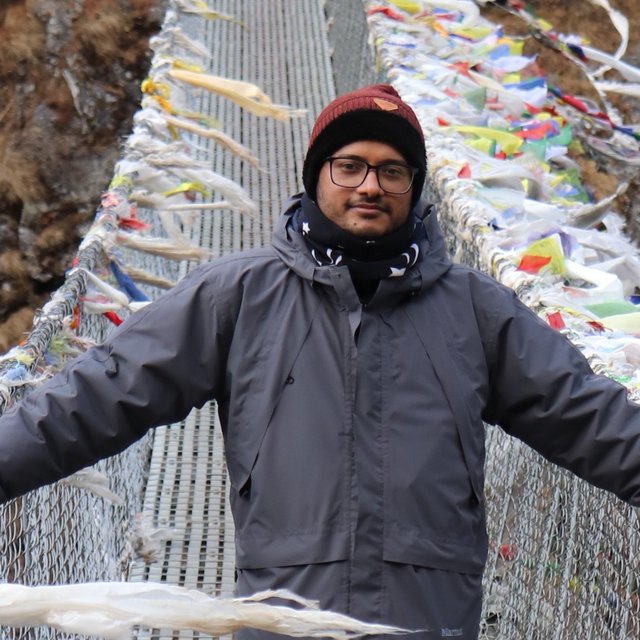
Dr. Hari Prasad Aryal

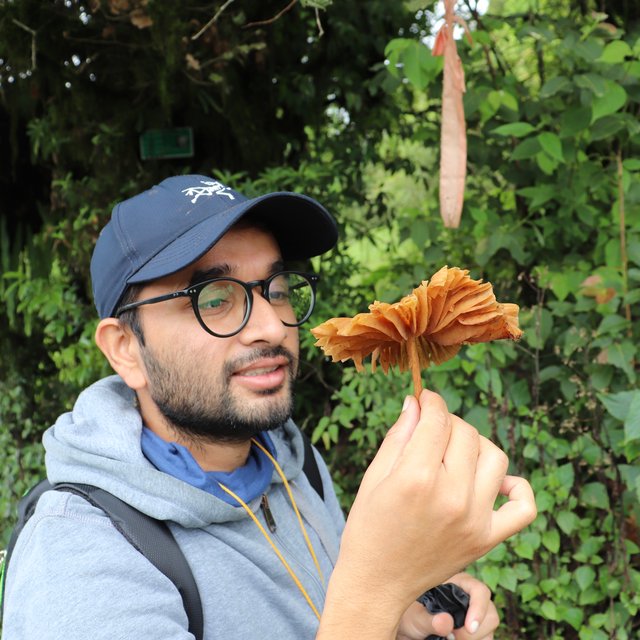
Dr. Hari Prasad Aryal

Fellow

Associate Professor, Tribhuvan University — taxonomy of termitophilous fungi, ethnomycology, medicinal fungi.

Read more

Dr. Hari Prasad Aryal is an Associate Professor at Tribhuvan University, Nepal, and a member of the Botanical Society of Nepal. He earned his M.Sc. in Botany from Post Graduate Campus, Biratnagar, in 1994 and his Ph.D. in Applied Mycology and Plant Pathology from the Central Department of Botany, Tribhuvan University, in 2015.

His research focuses on the taxonomy and systematics of termitophilous fungi, ethnomycology, medicinal fungi, and fungal secondary metabolites. He has served as principal investigator on five research projects funded by the Government of Nepal, Tribhuvan University, and the University Grants Commission. With 44 research publications in national and international journals, Dr. Aryal has made significant contributions to mycological research and the understanding of Nepal’s fungal diversity and resources.

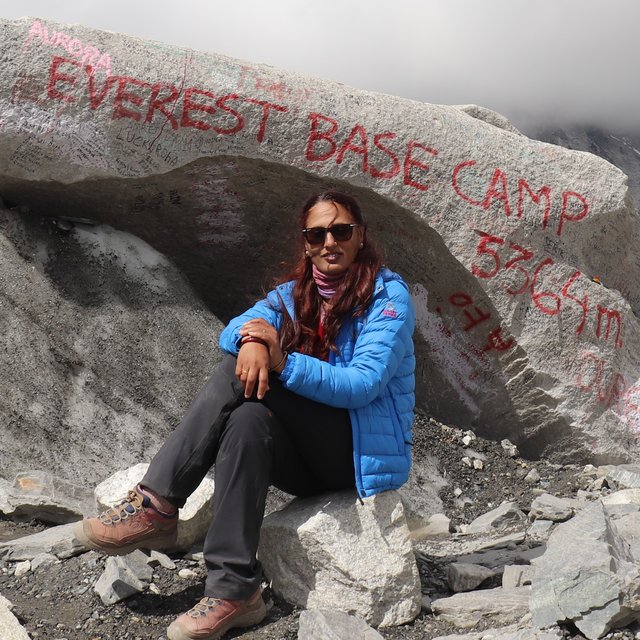
Dr. Prayan Pokharel

Dr. Prayan Pokharel

Fellow

Chemical ecologist — insect ecology, insect–host associations, fungal–insect interactions.

Read more

Dr. Prayan Pokharel is a chemical ecologist whose research focuses on insect ecology, insect–host associations, insect physiology, and behavior. He holds a Bachelor’s degree in Pharmacy from Rajiv Gandhi University of Health Sciences, India, a Master’s degree in Agrobiotechnology from Justus Liebig University Giessen, Germany, and a Ph.D. in Natural Sciences from the University of Hohenheim, Germany.

At Funga Network, Dr. Pokharel will investigate fungal–insect interactions across Himalayan ecosystems, exploring their ecological roles and contributions to biodiversity and ecosystem functioning. Potential research areas include insect–fungus associations, the chemical ecology of fungal–insect interactions, fungi as food and habitat for insects, and the effects of environmental change on these relationships. His interdisciplinary expertise will help advance understanding of fungal ecological networks and inform biodiversity research and conservation in Nepal.

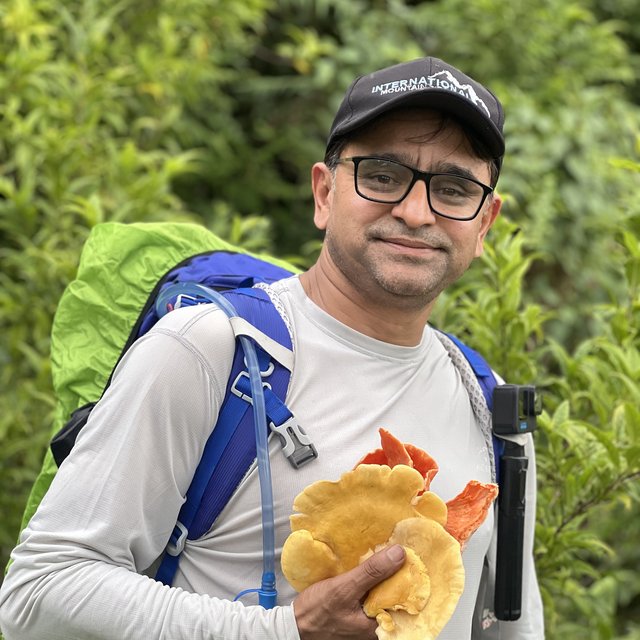
Dr. Hom Nath Gaire

Dr. Hom Nath Gaire

Fellow

Applied economist — climate finance, value chains, the economics of wild mushrooms and caterpillar fungus.

Read more

Dr. Gaire is an applied economist with a PhD in Economics from Tribhuvan University and over 20 years of professional experience in economic research, public finance management, policy formulation, governance, and institutional reform. He has extensive expertise in climate finance, private sector development, public–private partnerships (PPP), local economic development, green and circular economy, and climate-resilient development, having collaborated with government institutions, development partners, and the private sector in Nepal.

At Funga Network, Dr. Gaire contributes economic and policy perspectives to fungal conservation and sustainable resource use. His interests include assessing the economic contributions of wild mushrooms and caterpillar fungus to rural livelihoods, analyzing fungal value chains, exploring mycotourism and community-based enterprises, and identifying economic incentives for fungal conservation and sustainable mountain development.

Researchers

More will be added as they join.

Ajay Neupane

Ajay Neupane

Researcher

Assistant Professor, Mechi Multiple Campus — mycorrhizal fungi and underground networks, Khaptad National Park.

Read more

Ajay Neupane is an Assistant Professor at Mechi Multiple Campus, Jhapa, Nepal, and a PhD scholar at Tribhuvan University. His research interests include fungal ecology, plant biodiversity, and plant–fungus interactions. Through SPUN’s Underground Explorers programme, his research in Khaptad National Park explores mycorrhizal fungal communities and their relationships with native vegetation and ecosystem functioning.

His work contributes to documenting Nepal’s underexplored underground fungal diversity and understanding the ecological roles of mycorrhizal fungi in Himalayan ecosystems. He is particularly interested in advancing fungal research in Nepal and contributing to the mapping of underground fungal networks to support biodiversity conservation and sustainable ecosystem management.

Shova Poudel

Shova Poudel

Researcher

Anthropologist — wild edible mushrooms, Indigenous and local knowledge, food security among Gurung communities.

Read more

Shova Poudel is a multidisciplinary researcher with a Master’s degree in Anthropology and a Master’s in Business Studies, specialising in Financial Management. Her research focuses on food security among Indigenous Gurung communities in Nepal, integrating biological and anthropological perspectives. She is interested in wild edible mushrooms, Indigenous and Local Knowledge, rural livelihoods, and the socioeconomic value of biological resources.

Through her research and engagement with local communities, she aims to strengthen understanding of traditional knowledge, sustainable resource use, and the links between biodiversity, food security, and community well-being.

Research Assistants

Will be added soon.

Advisors

Will be added soon.

Interns, Volunteers and Funga Ambassadors

Will be added soon.

Working partners and collaborators

Funga Network collaborates with organisations and institutions that contribute complementary expertise, facilities, and approaches to advancing fungal research, conservation, and public engagement. The list will be published as agreements are signed.